Buying a rental property in Naples can be a strong investment, but hidden moisture problems can quickly turn a promising deal into an expensive one. Before closing, it is worth checking for signs of leaks, water damage, and mold throughout the property. If suspicious growth or recurring moisture is found, a professional mold removal Naples FL company can help determine whether the issue is limited to a small area or connected to a larger problem inside walls, flooring, ceilings, or HVAC components.
For investors, catching mold before purchase can help prevent unexpected repair costs and rental delays later.

Why Mold Matters to Naples Property Investors
Rental properties are supposed to produce income, but mold can interfere with that goal in several ways.
A property with an unresolved moisture problem may require repairs before tenants can move in. If mold is discovered after purchase, you may face remediation costs, replacement of damaged materials, HVAC work, plumbing repairs, or extended vacancy.
The bigger issue is that visible mold is often only part of the problem.
Mold usually develops because moisture is present. If you only clean the visible growth without finding the source, the problem may return.
For an investor, that can mean paying for the same issue twice.
Naples Homes Face Significant Moisture Exposure
Naples has a warm, humid climate, and many homes experience long periods of elevated moisture.
Air-conditioning systems help control indoor humidity, but vacant properties, poorly maintained systems, plumbing leaks, roof problems, and storm damage can all create conditions that support mold growth.
Rental homes may also sit empty between tenants.
If the AC is turned off or set too high during vacancy, indoor humidity can rise. Closets, bathrooms, laundry rooms, and rooms with limited airflow may become particularly vulnerable.
That makes moisture control an important part of due diligence when evaluating investment properties.
Look Beyond Visible Mold
Obvious mold is easy to notice, but investors should also look for indirect warning signs.
These may include:
- Musty odors
- Water stains on ceilings
- Peeling or bubbling paint
- Warped baseboards
- Discolored drywall
- Damp carpeting
- Condensation around vents
- Stains inside cabinets
- Soft areas around windows
- Previous patchwork repairs
A freshly painted wall does not necessarily mean there was never a moisture problem.
Sometimes cosmetic work can hide staining or damaged surfaces without correcting the underlying cause.
If something smells damp or musty, investigate further.
Pay Special Attention to Bathrooms and Kitchens
Bathrooms and kitchens are common locations for moisture problems because they contain plumbing, water fixtures, and frequent humidity.
Check under every sink for staining or swollen cabinet material.
Inspect around toilets, tubs, showers, dishwashers, refrigerators, and washing machines.
Look closely at grout, caulk, drywall, and baseboards.
In a rental property, small leaks may remain unnoticed for weeks, especially if previous tenants did not report them quickly.
A minor plumbing issue can eventually affect cabinets, flooring, and walls.
Inspect the HVAC System
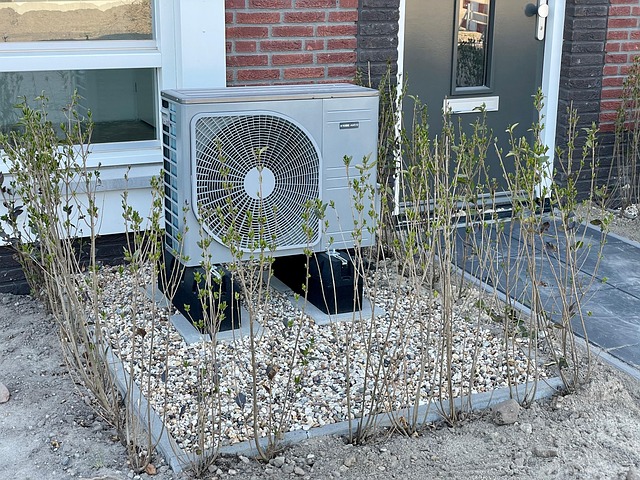
The HVAC system deserves special attention in Naples.
Air conditioning plays a major role in controlling indoor humidity, so a poorly functioning system can contribute to moisture problems throughout the house.
Look for water around the air handler, clogged or stained drain lines, condensation, rust, or musty odors near vents.
Ask about the age and maintenance history of the system.
A property with an older AC unit may still be a good investment, but you should understand whether it is properly controlling humidity before estimating your operating costs.
Check Closets and Other Enclosed Spaces
Closets are easy to overlook during a property tour.
They can also reveal moisture problems that are not obvious in the main rooms.
Open every closet and smell the air inside.
Check exterior walls, upper corners, shelving, carpeting, and stored areas for discoloration or musty odors.
Because closets often receive limited airflow, they may show early signs of excessive humidity.
Also inspect cabinets, utility rooms, garages, and storage areas.
Ask About Previous Water Damage
A property may look dry today but still have a history of leaks or flooding.
Ask whether the home has experienced roof leaks, plumbing failures, appliance leaks, storm damage, or water intrusion.
If repairs were completed, find out what work was performed.
Was the damaged drywall replaced? Were materials professionally dried? Was the moisture source actually corrected?
Previous water damage does not automatically make a property a bad investment, but you should understand the extent of the repair before purchasing.
Mold Can Affect Your Renovation Budget
Investors often budget for paint, flooring, appliances, landscaping, and cosmetic improvements.
Moisture damage can add another category of expenses.
If mold is discovered behind drywall or under flooring, materials may need to be removed before renovation can continue.
You may also discover damaged insulation, cabinetry, trim, or subflooring.
These costs can quickly change the economics of a deal.
That is why it is useful to identify possible mold problems before calculating your final renovation budget.
Consider Vacancy Periods
Rental properties do not always stay occupied.
Between tenants, during renovations, or while waiting for a sale, the property may remain empty for weeks.
Avoid shutting the AC system off completely during these periods.
The goal is not just temperature control. You also need to keep indoor moisture at reasonable levels.
A smart thermostat or humidity monitor can help you keep track of conditions when you are not at the property.
For investors who live outside Naples, remote monitoring can be especially useful.
When to Bring in a Professional
Small spots of surface growth do not always indicate a major problem.
However, larger areas, repeated mold, strong musty odors, or signs of hidden water damage deserve closer attention.
Professional evaluation may also make sense if you are considering a property with known flooding, roof leaks, or long periods of vacancy.
The cost of an inspection or remediation should be considered alongside the purchase price, renovation budget, and projected rental income.
Final Thoughts
A Naples rental property can look attractive on paper and still contain expensive moisture problems.
Before investing, inspect the property carefully for mold, water damage, leaks, HVAC issues, and excessive humidity.
Do not focus only on visible growth. Look for the conditions that allowed it to develop.
Finding a mold problem before closing gives you more information to evaluate repair costs, negotiate appropriately, and decide whether the property still fits your investment plan.
For rental investors, good moisture control is not just a maintenance issue. It is part of protecting the value and income potential of the property.