What Atlanta Real Estate Investors Should Know About Water Damage Before Buying

Buying an investment property in Atlanta can look great on paper until hidden moisture problems start showing up after closing. Water damage can affect flooring, drywall, insulation, electrical systems, structural materials, and even the long-term value of a property. For investors evaluating older homes, rentals, or fixer-uppers, understanding Water Damage Atlanta GA risks before buying can help prevent expensive surprises. A property with previous leaks is not necessarily a bad investment, but it needs to be inspected carefully and priced with potential repairs in mind.

What Atlanta Real Estate Investors Should Know About Water Damage Before Buying

Water Damage Is Not Always Obvious

One of the biggest mistakes investors can make is assuming that water damage will be easy to spot during a walkthrough.

Sometimes it is obvious. You may see stained ceilings, warped floors, peeling paint, or visible mold.

Other times, the signs are much more subtle.

Water can travel behind walls, under flooring, through insulation, and along framing before becoming visible. A leak may have been repaired, while damp or damaged materials were left behind.

Fresh paint can also hide staining, which is why cosmetic improvements should never replace a proper inspection.

If a property smells musty, has uneven flooring, soft drywall, or unexplained discoloration, it is worth investigating further.

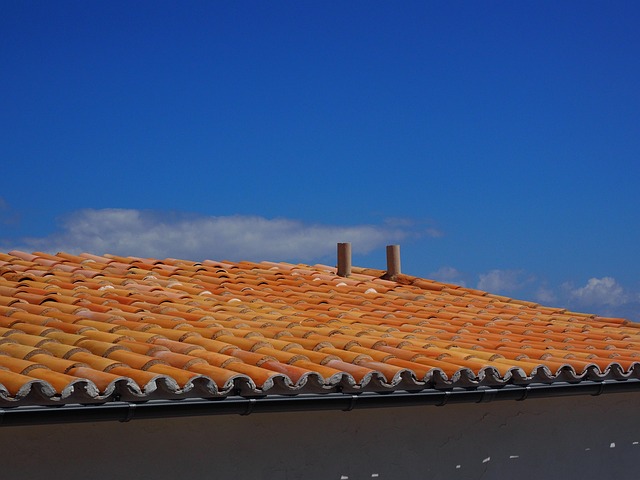
Check the Roof Carefully

Roof problems are a common source of water intrusion.

Investors should pay attention to:

  • Missing or damaged shingles
  • Aging roofing materials
  • Flashing problems
  • Sagging areas
  • Stains in the attic
  • Water marks on upper-floor ceilings
  • Signs of previous patching

A roof leak does not always mean a property should be avoided, but the cost of repairs should be included in your investment calculations.

If the roof has been leaking for an extended period, the problem may go beyond shingles. Moisture can damage roof decking, insulation, ceilings, and framing.

That can turn a straightforward roofing repair into a much larger renovation expense.

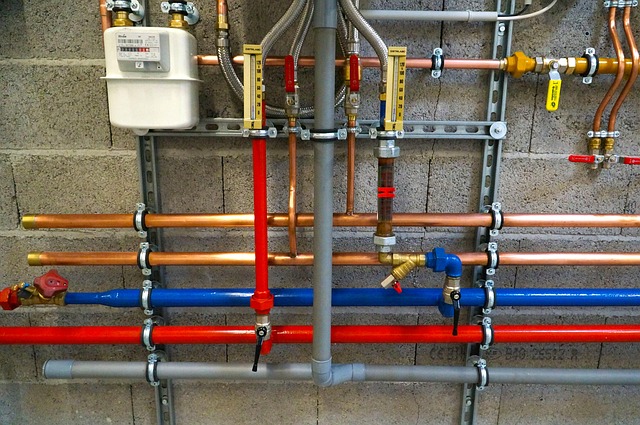
Look for Plumbing Problems
Look for Plumbing Problems

Older homes can be especially vulnerable to plumbing issues.

Supply lines, drain pipes, water heaters, toilets, sinks, and washing machine connections can all leak.

During a property inspection, check under sinks and around toilets for staining or swollen cabinetry.

Look at the walls and floors around bathrooms, kitchens, and laundry areas.

Even a slow leak can create significant damage over time.

Investors should also pay attention to the age and condition of the water heater. A leaking or failed water heater can release a large amount of water quickly, potentially damaging nearby flooring and walls.

Do Not Ignore the Basement or Crawl Space

Basements and crawl spaces can reveal a lot about a property’s moisture history.

Look for:

  • Standing water
  • Damp soil
  • White mineral deposits
  • Rust on metal components
  • Mold-like growth
  • Wood discoloration
  • Musty odors
  • Water stains along foundation walls

These signs may point to drainage problems, plumbing leaks, foundation issues, or water entering from outside.

In crawl spaces, moisture can affect joists, subflooring, insulation, and other materials that support the living areas above.

Since these spaces are easy to overlook during a quick property tour, they deserve special attention before an investment purchase.

Watch for Drainage Issues Outside

Water damage does not always begin inside the house.

Poor drainage around the property can cause water to collect near the foundation.

Investors should look at how the land slopes around the home and where downspouts discharge water.

If gutters are clogged or downspouts empty directly beside the foundation, water may repeatedly collect around the structure.

Low areas in the yard can also hold water after heavy rain.

These problems may eventually contribute to basement leaks, crawl-space moisture, or foundation-related issues.

Sometimes improving drainage is relatively simple. In other situations, more extensive work may be required.

Ask About Previous Water Damage

Sellers may have information about previous plumbing leaks, roof damage, flooding, or insurance claims.

Investors should review available property disclosures carefully and ask questions about any previous water incidents.

Useful questions may include:

  • What caused the water damage?
  • When did it happen?
  • How long was the area wet?
  • Who performed the repairs?
  • Were damaged materials removed?
  • Was professional drying performed?
  • Were any follow-up moisture checks completed?

A past leak is not necessarily a reason to walk away from a property.

The bigger concern is whether the problem was properly repaired or simply covered up.

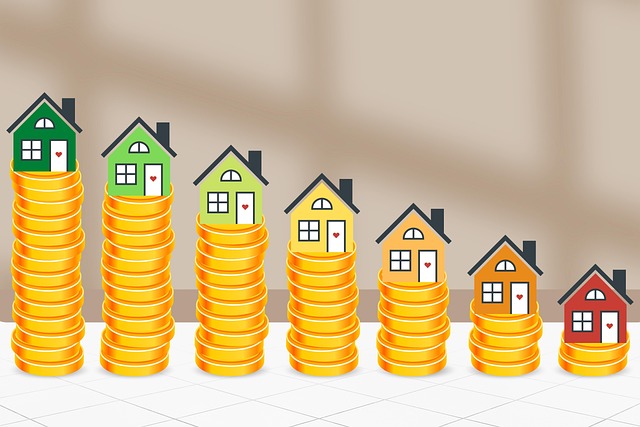
Consider the Cost of Restoration in Your Numbers
Consider the Cost of Restoration in Your Numbers

Real estate investors usually evaluate properties based on purchase price, renovation expenses, rental income, resale potential, and expected return.

Water damage can change all of those numbers.

A renovation budget may need to include:

  • Water extraction
  • Structural drying
  • Drywall replacement
  • Flooring replacement
  • Insulation replacement
  • Cabinet repairs
  • Electrical inspections
  • Plumbing repairs
  • Mold remediation
  • Painting and finishing

If the damage is extensive, it may also delay the property’s renovation schedule.

For rental investors, every extra week spent repairing the property can mean another week without rental income.

For flippers, unexpected water damage can reduce margins quickly.

Moisture Can Affect More Than Appearance

It is easy to think about water damage as a cosmetic problem.

Stains can be painted. Flooring can be replaced. Drywall can be patched.

However, water can affect materials that are hidden from view.

Wood framing may weaken if it remains wet for a long period. Insulation can become saturated. Electrical components may need inspection. Moisture can also create conditions where mold develops.

That is why investors should focus on the source and extent of the water problem rather than just the visible damage.

Be Careful With Recently Renovated Properties

Fresh renovations can make a property look move-in ready, but they can also hide previous problems.

New paint, flooring, and drywall may cover signs of past water intrusion.

Investors should still inspect the property carefully.

Look for inconsistencies such as one newly painted section of ceiling, recently replaced flooring in a single room, or new drywall in an otherwise older area.

These updates may be completely innocent, but they are worth asking about.

A renovation should solve the underlying problem, not simply hide evidence of it.

Water Damage Can Sometimes Create Opportunity

Not every water-damaged property is a bad investment.

In some cases, investors may find properties priced below market value because of repair needs.

If the source of the water is known, the extent of the damage is understood, and the repair costs can be estimated accurately, the property may still make financial sense.

The key is avoiding uncertainty.

A small, well-documented plumbing leak is very different from widespread hidden moisture with an unknown source.

Investors should know what they are buying before making an offer.

Protect the Property After Closing

Once an investment property is purchased, ongoing maintenance becomes important.

Inspect roofs, plumbing, appliances, gutters, and drainage regularly.

For rental properties, encourage tenants to report leaks quickly instead of waiting until the problem becomes severe.

Water leak sensors can also be useful around water heaters, washing machines, sinks, and other high-risk areas.

The faster a leak is discovered, the easier it usually is to limit the extent of the damage.

Make Water Damage Part of Your Due Diligence

Atlanta real estate investors already consider location, renovation costs, taxes, rental demand, and resale potential before buying.

Water damage should be part of that same due-diligence process.

Look beyond cosmetic improvements, investigate moisture warning signs, review disclosures, inspect high-risk areas, and account for restoration costs before making an offer.

A property with previous water damage may still be a worthwhile investment, but only when the problem is understood and the numbers still make sense.

The best investment decisions are usually the ones made with fewer surprises after closing.
Is Replacing Old Plumbing a Good Investment for San Pedro Homeowners?

For homeowners in San Pedro, California, replacing outdated plumbing can be one of the most practical investments in a property’s long-term condition. Older pipes can cause recurring leaks, reduced water pressure, and expensive water damage. Whether you own a historic house near Point Fermin or a mid-century property in Vista del Oro, understanding your plumbing’s condition is essential. Consulting a professional San Pedro Plumber can help determine whether repairing individual pipes or replacing the entire system makes better financial sense.

Is Replacing Old Plumbing a Good Investment for San Pedro Homeowners?

Why Old Plumbing Is a Concern in San Pedro

San Pedro has a diverse housing market, with properties ranging from historic residences to postwar suburban homes. According to the Los Angeles City Planning Department, neighborhoods such as Vinegar Hill contain historic structures dating back to the late 1800s, while substantial residential development occurred following World War II.

The age of local housing makes plumbing maintenance particularly important. American Community Survey estimates for 2020–2024 indicate that approximately 20% of San Pedro housing units were built before 1940, while the area’s median construction year is approximately 1967.

Many older properties may still contain galvanized steel pipes, aging copper lines, or plumbing systems that have undergone several partial repairs.

These materials do not necessarily need immediate replacement. However, decades of corrosion, mineral buildup, and wear can affect their performance.

San Pedro’s coastal location introduces another consideration. Salt-laden marine air can accelerate corrosion of exposed metal plumbing components, particularly around outdoor fixtures and poorly protected connections. However, underground and interior pipe deterioration depends on additional factors, including pipe material, water chemistry, and installation quality.

1. Replacing Old Pipes Can Prevent Expensive Water Damage

One of the strongest financial reasons to replace deteriorating plumbing is preventing unexpected water damage.

A small leak behind a bathroom wall or beneath kitchen cabinets can remain unnoticed for weeks. Over time, moisture can damage drywall, flooring, insulation, and wooden framing.

For San Pedro homeowners with older properties, repairs may become particularly expensive when leaks affect original finishes or hard-to-access plumbing.

Replacing deteriorated pipes can reduce the likelihood of future failures, especially when multiple sections already show signs of corrosion.

Instead of repeatedly paying for emergency plumbing repairs, homeowners can address the underlying problem through planned replacement.

However, replacing functional pipes simply because they are old may not be financially justified. A professional inspection helps establish whether deterioration is widespread enough to warrant repiping.

2. Modern Plumbing Can Improve Property Appeal

Modern Plumbing Can Improve Property Appeal

Plumbing condition is an important consideration for potential homebuyers, particularly when purchasing older properties.

Buyers evaluating homes in neighborhoods such as the Palisades, Point Fermin, and Vista del Oro may be concerned about hidden maintenance expenses.

A documented plumbing upgrade can provide reassurance that major supply lines have been inspected and replaced where necessary.

Potential advantages include:

  • Reduced concerns about aging supply pipes.
  • More consistent water pressure throughout the property.
  • Lower risk of unexpected plumbing repairs.
  • Documentation of improvements for future buyers.
  • Greater confidence during property inspections.

However, plumbing replacement does not guarantee a specific increase in resale value.

Unlike a kitchen renovation, new pipes are largely invisible. Their financial benefit often comes from reducing maintenance concerns and potential buyer objections rather than producing a dramatic increase in a home’s selling price.

For homeowners planning to sell, replacing severely deteriorated plumbing may be more valuable than spending money on cosmetic improvements while leaving major defects unresolved.

3. Old Pipes Can Affect Water Pressure and Quality

Many older San Pedro homes were originally constructed with galvanized steel water pipes.

As galvanized pipes age, internal corrosion and mineral deposits can restrict water flow. Homeowners may notice weak showers, inconsistent pressure, or reduced flow when multiple fixtures operate simultaneously.

Rusting pipes can also contribute to discolored tap water.

The Los Angeles Department of Water and Power (LADWP) explains that deteriorating household plumbing can cause water discoloration and that replacing affected pipes may be necessary to resolve persistent corrosion problems.

However, not every water-quality issue originates inside the home. Utility maintenance, water-heater corrosion, and other factors can also affect water appearance.

LADWP reported in its 2024 Drinking Water Quality Report that its service-line inventory found no lead service lines in its distribution system, including customer-owned service lines. Nevertheless, some older household plumbing fixtures and solder can still be potential sources of lead exposure.

Homeowners concerned about water quality should consider appropriate testing before assuming repiping is the solution.

4. Plumbing Replacement Can Reduce Long-Term Maintenance Costs

Investing in new plumbing may help homeowners avoid recurring expenses associated with aging pipes.

Consider a property that develops several leaks over a few years. Each repair may involve locating the leak, opening walls, replacing damaged pipe sections, and restoring the surrounding materials.

Although individual repairs can be affordable, repeated repairs can eventually approach the cost of replacing a larger portion of the plumbing system.

Modern plumbing materials commonly used for residential water supply include PEX and copper.

PEX piping offers flexibility and can sometimes be installed with fewer joints and less extensive wall demolition. It is frequently considered for residential repiping projects.

Copper piping is durable when properly installed and compatible with local water conditions. However, installation can be more labor-intensive, and corrosion remains possible under certain conditions.

The appropriate material depends on the property’s layout, plumbing requirements, installation environment, and applicable California plumbing codes.

A qualified plumber can explain the advantages and limitations of each option.

5. What Makes Plumbing Replacement Different in San Pedro?

What Makes Plumbing Replacement Different in San Pedro?

Several local factors influence whether repiping is a worthwhile investment.

Historic and Mid-Century Housing

San Pedro’s older neighborhoods contain properties built under different construction standards. Some have plumbing installed decades ago, while others have undergone partial upgrades.

Determining which sections are original is an important first step.

Coastal Exposure

Homes closer to the waterfront may experience greater exposure to salty air, particularly around exterior plumbing equipment and metal fittings.

Properly selected materials and corrosion-resistant connections can help protect these vulnerable components.

Hillside Properties

Some San Pedro homes occupy sloping terrain near coastal bluffs and hillside neighborhoods.

Their layouts can complicate access to buried water lines, crawl spaces, and plumbing connections, potentially affecting replacement costs.

Los Angeles Plumbing Permits

San Pedro falls within the City of Los Angeles, where the Los Angeles Department of Building and Safety regulates plumbing installations.

Whole-house repiping generally requires a plumbing permit. LADBS identifies many residential repiping projects as eligible for express permits, although more complex work may require additional review.

Homeowners should verify permit requirements before beginning construction.

6. When Is Replacing Old Plumbing Worth the Cost?

Plumbing replacement is generally worth considering when the existing system presents ongoing reliability problems.

Warning signs include frequent pipe leaks, recurring rusty water, declining water pressure, visible pipe corrosion, or repeated repairs involving different sections of the plumbing system.

A full replacement may also make financial sense during a major kitchen or bathroom renovation because walls and fixtures are already being removed.

On the other hand, an isolated leak in an otherwise sound plumbing system may require only a targeted repair.

The best investment decision depends on the system’s condition, the estimated replacement cost, and how long the homeowner intends to keep the property.

Comparing detailed repair and replacement estimates can help homeowners avoid unnecessary spending.

7. Should You Replace Plumbing Before Selling Your San Pedro Home?

If you plan to sell your home, evaluating the plumbing system before listing can help identify defects that buyers may discover during inspections.

Serious leaks, deteriorated pipes, and unresolved water damage can complicate negotiations or lead buyers to request repairs.

Replacing problem sections beforehand may help reduce those concerns.

However, a complete repiping project immediately before selling is not always the best financial decision.

Homeowners should compare the cost of replacement against the property’s condition, expected buyer concerns, and advice from a knowledgeable local real estate professional.

Keeping permits, invoices, inspection records, and warranties can also help document completed improvements.

Final Thoughts: Is New Plumbing a Smart Investment?

For many San Pedro homeowners, replacing deteriorating plumbing can be a valuable investment in reliability, property protection, and long-term maintenance.

The benefits are particularly relevant for older homes with recurring leaks, corrosion, or outdated plumbing systems.

However, complete repiping is not necessary for every aging property. The most cost-effective approach begins with identifying existing problems and evaluating the condition of the entire system.

If you are experiencing plumbing problems or considering an upgrade, contact San Pedro Plumber to discuss an inspection and your repair or replacement options. Understanding your plumbing’s current condition can help you make an informed investment in your home.

Siding in Bealeton, VA: A Smart Home Investment

Your home’s exterior plays a major role in protecting your property, maintaining its appearance, and preserving its market value. For homeowners considering siding in Bealeton, VA, investing in quality materials and professional installation can deliver financial benefits for years. Working with Bealeton’s best siding contractors can help you select durable siding that complements your home, withstands local weather conditions, and reduces future maintenance expenses.

Whether you’re renovating an older property or upgrading outdated siding, understanding the long-term value of your investment can help you make confident decisions.

Siding in Bealeton, VA: A Smart Home Investment

Why Siding Is a Valuable Home Investment

Siding does more than improve your home’s appearance. It protects exterior walls against moisture, wind, temperature changes, and everyday environmental exposure.

In Bealeton, Virginia, homes experience humid summers, seasonal rainfall, and cold winter weather. These conditions can gradually affect exterior building materials, especially when siding is damaged or improperly installed.

Investing in quality siding can provide several advantages, including improved exterior protection, reduced maintenance requirements, and better curb appeal.

For homeowners planning to sell their property, updated siding can also make a positive first impression on potential buyers.

However, the actual financial return depends on material selection, installation quality, property condition, and local housing market trends.

How New Siding Can Increase Property Value

One of the primary reasons homeowners replace their siding is to improve property value.

Old, faded, cracked, or warped siding can make an otherwise well-maintained house appear neglected. New siding creates a cleaner exterior and can improve the overall presentation of your property.

Potential buyers often consider exterior maintenance when evaluating homes. Updated siding may reduce concerns about immediate repairs and help a property compete with similar listings.

However, homeowners should not assume every siding replacement will recover its entire installation cost at resale.

Return on investment varies depending on the property’s location, materials, project expenses, and housing market conditions.

Choosing an attractive, durable siding material that complements nearby homes can help balance appearance with long-term financial value.

Choosing Siding Materials for Long-Term Returns

Selecting the right siding material is essential when evaluating your investment.

Different materials offer varying levels of durability, maintenance requirements, and upfront costs.

Vinyl siding: A popular choice for residential properties because of its affordability, color options, and relatively low maintenance requirements.

Fiber cement siding: Known for its durability and resistance to several common exterior deterioration concerns. It typically costs more than basic vinyl siding but can provide long-term performance when installed correctly.

Wood siding: Offers a traditional appearance that appeals to homeowners seeking natural exterior finishes. However, wood generally requires regular painting, sealing, or other maintenance.

Engineered wood siding: Provides a wood-like appearance with manufacturing treatments designed to improve durability. Installation and maintenance must follow manufacturer recommendations.

When comparing materials, homeowners should consider total ownership costs rather than focusing entirely on the initial installation price.

Can New Siding Reduce Energy Expenses?

Can New Siding Reduce Energy Expenses?

Energy efficiency is another consideration when upgrading residential siding.

Although standard siding materials provide exterior protection, they do not necessarily deliver substantial insulation benefits independently.

However, siding replacement creates an opportunity to inspect wall assemblies, address air leaks, and add appropriate continuous exterior insulation.

Insulated siding products may also improve thermal performance depending on their specifications and installation.

For homeowners in Bealeton, reducing unwanted heat transfer can help maintain indoor comfort during hot summers and colder winter months.

Potential energy savings depend on the home’s existing insulation, air sealing, heating and cooling systems, and the improvements included in the project.

A qualified contractor can help identify suitable upgrades without promising unrealistic reductions in utility bills.

Maintenance Savings Over Time

Maintenance expenses can significantly affect the overall value of siding.

Exterior materials exposed to moisture, sunlight, and fluctuating temperatures may require repairs or periodic replacement.

Low-maintenance materials can reduce the frequency of painting and certain other upkeep tasks.

For example, vinyl siding generally does not require routine repainting, while traditional wood siding may need refinishing to maintain protection against weather exposure.

Fiber cement siding may require periodic repainting depending on the product and finish.

Regardless of material, regular inspections remain important for identifying loose panels, damaged flashing, failed sealant joints, and moisture-related problems.

Addressing small issues early can help prevent more expensive exterior repairs.

Professional Installation Protects Your Investment

Even premium siding materials can fail prematurely when installed incorrectly.

Proper installation involves more than attaching panels to exterior walls. Contractors must evaluate moisture management, flashing, drainage, ventilation details, and manufacturer requirements.

Incorrect installation can allow water to enter vulnerable areas, potentially damaging sheathing, insulation, or framing.

Hiring experienced siding contractors in Bealeton, VA, helps homeowners evaluate installation methods, material warranties, and project requirements.

Before selecting a contractor, request written estimates, verify applicable licensing and insurance, and review previous projects.

Clear contracts should explain materials, labor, expected schedules, cleanup, and warranty responsibilities.

When Should Homeowners Replace Their Siding?

Recognizing deterioration early can help protect your investment.

Common warning signs include cracked panels, recurring paint failure, warping, loose sections, visible moisture damage, and unusually frequent repairs.

Some problems may be resolved through targeted repairs rather than complete replacement.

However, widespread deterioration or underlying moisture damage may make replacement the more practical long-term option.

A professional inspection can help determine whether repairing or replacing your siding makes better financial sense.

Final Thoughts

Investing in siding in Bealeton, VA, can improve your home’s appearance, strengthen exterior protection, and potentially increase resale appeal.

The most valuable siding investment combines suitable materials, professional installation, and consistent maintenance.

Whether you plan to remain in your home for decades or sell in the coming years, choosing durable siding with realistic ownership costs can help protect your property’s long-term value.

How Roof Replacement Can Increase Home Value in Triangle, VA

A roof is one of the first things buyers notice when evaluating a home. For homeowners considering roofing Triangle VA services, replacing an aging or damaged roof can do more than prevent leaks—it can improve curb appeal, reduce concerns for potential buyers, and strengthen the overall marketability of the property. While the exact return depends on the roof’s condition, materials, and local housing market, a professionally installed roof can be a valuable long-term improvement for Triangle homeowners.

How Roof Replacement Can Increase Home Value in Triangle, VA

A New Roof Improves Your Home’s Curb Appeal

The roof makes up a significant portion of a home’s exterior appearance. Missing shingles, discoloration, visible wear, or an uneven roofline can make an otherwise attractive property appear poorly maintained.

Replacing an older roof gives the exterior a cleaner, more finished appearance. Choosing shingles and roofing materials that complement the home’s siding, trim, and architectural style can further improve its overall presentation.

This can be particularly important when preparing a Triangle, VA home for sale because buyers often form an opinion about a property before they ever walk through the front door.

Roof Replacement Can Make Your Home More Attractive to Buyers

Many buyers want a home that will not require major repairs immediately after purchase. An aging roof can create uncertainty because buyers may start thinking about replacement costs, potential leaks, and future maintenance.

A recently replaced roof can remove one of those concerns.

Instead of budgeting for a major roofing project, buyers can focus on the home’s other features. A newer roof may therefore make the property more appealing compared with similar homes that have older roofing systems.

A New Roof Can Reduce Negotiation Concerns

Roof condition often becomes an important issue during the home inspection process. If an inspector identifies damaged shingles, leaks, deteriorated flashing, or signs that the roof is approaching the end of its service life, buyers may request repairs or negotiate the purchase price.

Replacing a significantly worn roof before listing the property can reduce the likelihood of roofing problems becoming a major negotiation point.

It does not guarantee a higher sale price, but it can make the transaction simpler by removing a potentially expensive concern.

Roof Replacement Helps Protect the Structure

The value of a roof extends far beyond its appearance. Its primary job is protecting the structure underneath it.

A damaged roofing system can allow moisture to reach the roof decking, insulation, ceilings, walls, and other parts of the home. Over time, water intrusion can lead to considerably more expensive repairs.

Investing in roof replacement before serious damage develops can help protect the home’s structure and preserve the value of the property.

Modern Roofing Materials Can Improve Long-Term Value

Replacing a roof also gives homeowners an opportunity to upgrade the materials protecting their home.

Modern asphalt shingles, metal roofing systems, underlayment, flashing, and ventilation products can provide improved durability compared with badly deteriorated or outdated roofing components.

The best choice depends on the home’s design, budget, expected ownership period, and maintenance preferences.

For homeowners planning to remain in their Triangle property for many years, choosing durable roofing materials can provide value through reduced repair needs and longer service life.

Roofing Can Affect Buyer Perception of Home Maintenance

Roofing Can Affect Buyer Perception of Home Maintenance

Buyers often use visible parts of a property to judge how well the entire home has been maintained.

A deteriorated roof may cause prospective buyers to wonder whether other important systems have also been neglected. Conversely, a clean and properly maintained roof can contribute to the impression that the property has been cared for.

That perception can be valuable when several similar homes are competing for buyer attention.

Roof Replacement May Improve Energy Performance

A roofing project can also provide an opportunity to address ventilation, insulation-related concerns, and roofing materials that influence heat transfer.

Proper attic ventilation can help control excessive heat and moisture buildup, while certain roofing materials are designed to reflect more solar energy than traditional alternatives.

Energy performance depends on the complete roofing and insulation system, so homeowners should not expect roof replacement alone to dramatically reduce energy bills. However, properly designed roofing improvements can contribute to a more efficient home.

Should You Replace Your Roof Before Selling?

Roof replacement before selling does not make financial sense in every situation.

If the existing roof is relatively new and only requires minor repairs, completing those repairs may be more practical than installing an entirely new roof.

Replacement becomes more worth considering when the roof has extensive deterioration, recurring leaks, widespread shingle damage, or is approaching the end of its expected service life.

A professional roof inspection can help homeowners understand whether repairs or replacement make more sense before putting the property on the market.

Roof Repair vs. Roof Replacement as an Investment

Minor roofing problems do not automatically require a complete replacement.

Issues such as a few missing shingles, limited flashing problems, or small isolated leaks may be repairable. Repairing problems early can protect the property while extending the useful life of the existing roof.

However, repeatedly repairing a heavily deteriorated roofing system can become expensive.

When damage is widespread, replacement may provide better long-term value by addressing the roofing system as a whole instead of continuing to repair individual problems.

Protecting Your Triangle, VA Home With the Right Roofing Decision

Roof replacement can be an important investment in a Triangle, VA property, particularly when the existing roof is visibly worn or experiencing recurring problems. A new roof can improve curb appeal, protect the home’s structure, reduce concerns for potential buyers, and make the property easier to market.

Before deciding between repair and replacement, homeowners should consider the roof’s age, overall condition, repair history, future plans for the property, and the cost of continuing maintenance. A professional roofing assessment can provide the information needed to choose the option that offers the strongest long-term value.

Why Professional Tree Care Is a Smart Investment for Belleville Property Owners

Owning property comes with ongoing maintenance costs, but some expenses are better viewed as investments rather than simple bills. Professional tree care is one of them. For homeowners and commercial property owners, choosing reliable tree services belleville can help protect landscaping, improve curb appeal, reduce safety risks, and prevent small tree problems from becoming larger and more expensive issues. Healthy, well-maintained trees can add beauty and function to a property, while neglected trees may eventually create costly damage or removal needs.

Why Professional Tree Care Is a Smart Investment for Belleville Property Owners

Healthy Trees Can Support Property Value

Trees are an important part of a property’s appearance. Mature, healthy trees can create shade, frame a home, enhance landscaping, and make outdoor areas more attractive.

When trees are properly maintained, they can contribute to a cleaner and more polished exterior. In contrast, trees with dead limbs, excessive growth, or visible decline may make a property look neglected.

Professional pruning can help maintain a balanced canopy and remove branches that negatively affect the appearance of the landscape. For property owners who may eventually sell their home or commercial property, well-maintained trees can contribute to a stronger first impression.

Preventive Tree Care Can Reduce Future Costs

Preventive Tree Care Can Reduce Future Costs

Many tree problems begin small.

A damaged branch, weak limb, or area of decay may not appear urgent at first. However, these issues can worsen over time, especially after storms, high winds, or seasonal changes.

Routine inspections and maintenance can help identify potential concerns before they become major problems. Removing a damaged limb may be more manageable than dealing with a large branch that later falls onto a roof, fence, vehicle, or other structure.

Preventive tree care allows property owners to address problems on their own schedule instead of waiting for an emergency.

Professional Pruning Can Improve Tree Structure

Tree trimming is about more than appearance. Proper pruning can help improve the structure of a tree by removing dead, damaged, crossing, or poorly positioned branches.

When pruning is performed correctly, the goal is to maintain the tree’s natural shape while reducing unnecessary stress.

Poor trimming techniques can create long-term problems. Removing too many branches or making improper cuts can weaken a tree and encourage undesirable growth.

Hiring professionals helps ensure that pruning decisions are based on the condition, size, species, and location of the tree rather than simply cutting branches that appear inconvenient.

Tree Care Can Help Protect Buildings and Outdoor Features

Trees often grow near homes, garages, fences, sidewalks, driveways, patios, and utility areas. As branches grow larger, they may begin extending over or toward these structures.

Regular trimming can help manage this growth.

Branches that rub against roofs or siding may cause wear over time. Limbs hanging above parking areas, walkways, or patios may also become concerns if they are damaged or weakened.

Tree professionals can identify branches that may interfere with structures and recommend appropriate maintenance.

By managing tree growth before it becomes a problem, property owners may reduce the risk of avoidable damage.

Storm Preparation Is Part of Protecting Your Investment

Belleville and the surrounding region can experience thunderstorms, strong winds, heavy rain, and other weather conditions that place stress on trees.

Trees with dead branches, weak unions, or structural damage may be more vulnerable during severe weather.

Professional tree inspections can help identify visible concerns before storms occur. While no tree can be guaranteed to withstand severe weather, removing deadwood and addressing obvious structural issues can help reduce certain risks.

After storms, professional tree services can also inspect damaged trees and determine whether pruning, stabilization, monitoring, or removal may be necessary.

Tree Removal Can Sometimes Prevent Larger Losses

Tree removal is often considered a last resort, but there are situations where removing a tree can be a practical investment in property protection.

A dead, severely damaged, or structurally compromised tree may create risks depending on its size and location. Trees that are declining near homes, garages, roads, or other high-use areas may require professional evaluation.

Removing a hazardous tree before it falls can help property owners avoid unexpected damage and emergency cleanup.

Professional removal is especially important when trees are large or located near structures because the work may require specialized equipment and careful planning.

Well-Maintained Trees Can Improve Outdoor Enjoyment

Not every return on investment is financial.

Healthy trees can make outdoor spaces more comfortable and enjoyable. Shade from mature trees can improve patios, seating areas, gardens, and yards during warmer months.

Selective pruning can also help create better clearance over walkways and outdoor living spaces. Removing unwanted branches may improve views, increase usable space, and allow more light to reach other landscaping.

For homeowners who spend significant time outside, professional tree maintenance can improve both the appearance and functionality of the property.

Commercial Properties Benefit From Routine Tree Maintenance

Businesses and property managers also have reasons to view tree care as an investment.

Landscaping contributes to the first impression customers, tenants, employees, and visitors have of a property. Overgrown trees can cover signs, obstruct views, or make entrances appear less inviting.

Dead branches and damaged trees may also create concerns around parking areas, sidewalks, and building entrances.

Routine tree maintenance can help commercial properties maintain a professional appearance while addressing problems before they interfere with normal operations.

Professional Expertise Can Help Property Owners Make Better Decisions

Tree care decisions are not always obvious.

A tree may look unhealthy while still being recoverable, or it may appear stable while having structural problems that deserve attention. Professional evaluation can help property owners better understand their options.

Depending on the situation, a tree may need pruning, monitoring, treatment, or removal.

Getting expert guidance can prevent unnecessary work while helping property owners prioritize the maintenance that provides the greatest benefit.

Tree Care Is an Investment in the Future of Your Property

Professional tree care can provide long-term benefits that go beyond keeping a yard tidy. Routine maintenance may help preserve healthy trees, improve curb appeal, protect nearby structures, and reduce the likelihood of costly emergencies.

For Belleville property owners, investing in professional trimming, inspections, storm cleanup, and responsible tree removal can be an important part of maintaining a safe and attractive property.

Just like roofing, landscaping, and other forms of property maintenance, tree care works best when problems are addressed before they become urgent. A proactive approach can help protect both the trees and the overall investment you have made in your property.

What Water Damage Actually Costs an Edmond Rental Owner (And Why Hour One Decides It)

Every buy-and-hold investor runs the same mental spreadsheet: purchase price, rehab, rent, vacancy, cap rate. What almost nobody prices in is the pipe that fails at 2am in a tenant-occupied unit, and the difference between finding out at 6am and finding out on Monday.

In Edmond, Oklahoma, that gap is worth more than most owners realize. The Oklahoma City metro has pulled steady rental demand north into Edmond for a decade now, driven by the school district and the University of Central Oklahoma. Rents hold. Turnover is manageable. It is a good hold market. But the housing stock is a mix of 1970s and 1980s builds alongside newer construction, and older supply lines and water heaters fail on their own schedule.

The math on that failure is not linear. It is a step function, and the step happens fast. A supply line that lets go under a kitchen sink and gets extracted, dried, and monitored inside the first day is a repair bill and an insurance claim. The same failure left to sit through a weekend is a subfloor replacement, a cabinet run, possible mold remediation, and a tenant you now need to house somewhere else. Owners who keep a local restoration contact on file, rather than searching for water damage in edmond ok at 2am with water still running, consistently land on the cheaper side of that step.

The Two Numbers, Side by Side

Consider a typical Edmond three-bedroom rental at $1,600 a month. A contained water event caught early runs into extraction, commercial drying equipment for three to five days, moisture monitoring, and minor drywall work. The tenant usually stays in place. Rent keeps flowing. Your deductible absorbs a meaningful share of it.

Now let the same event sit 72 hours. Water has wicked up the drywall, moved under the flooring, and reached the wall cavity. Now you are looking at demolition, material replacement, and a dry-out timeline measured in weeks rather than days. If mold has established, remediation becomes its own line item with its own containment requirements. The tenant cannot reasonably stay. Depending on your lease and state landlord obligations, you may be abating rent or covering relocation.

The repair difference alone is usually several multiples. Add four to six weeks of lost rent at $1,600, and the delay costs more than the original repair would have.

Why the First Hour Is the Whole Decision

Water follows gravity and capillary action, and it does not stop when the leak stops. It travels along joists, under baseboards, and into insulation. Materials that are merely wet can typically be dried in place. Materials that have been wet for days generally have to come out.

The Environmental Protection Agency treats 24 to 48 hours as the window in which mold growth becomes likely on damp materials. That window is not a marketing figure from a restoration company. It is the line between drying a property and rebuilding part of it, and it is the reason response time dominates every other variable in the cost equation.

For an owner who does not live in Edmond, or who holds several doors across the metro, this is the operational weak point. The tenant calls. You are two hours away or two time zones away. You start making calls to companies you have never used, comparing availability while water is still moving through the structure. Every hour spent sourcing a contractor is an hour on the wrong side of that window.

How Insurance Reads a Delay

Carriers distinguish between sudden and accidental discharge, which is generally covered, and damage from long-term seepage or neglected maintenance, which generally is not. That distinction is where documented response time earns its keep.

An owner who can show a timestamped tenant report, a same-day contractor dispatch, moisture readings from day one, and a documented drying log has a clean sudden-discharge claim. An owner who reports the loss five days later, with no readings and no dispatch record, invites the adjuster to ask how long the condition existed and whether reasonable steps were taken. Even when such a claim pays, it pays slower and often with more scrutiny.

Restoration firms that work insurance claims routinely produce this documentation as part of standard process: initial moisture mapping, daily readings, equipment logs, photographs. That paperwork is worth as much to the claim as the drying equipment is to the structure.

The Portfolio Version of This Problem

One property, one incident, and you absorb it. Ten doors in the metro, and water events become an actuarial certainty rather than an accident. Over a decade of holding, some number of your units will have an incident. The only real question is what your average response time looks like when they do.

This is why experienced hold investors treat a restoration contact the way they treat their plumber, their HVAC tech, and their turnover crew. It is a pre-negotiated relationship, not an emergency search. The contractor knows the properties. The tenant has a number to call. You are notified rather than consulted, and the equipment is on site before you have finished reading the text message.

The cost of setting that up is a phone call and an afternoon. The cost of not having it is the difference between the two columns above, multiplied by however many incidents your portfolio produces.

The Investor Takeaway

Water damage is not really a repair problem. It is a response-time problem that presents as a repair bill.

Nothing about the Edmond rental thesis changes because of a burst supply line. The demand is still there, the rents still hold, the market still works. What changes is whether a predictable maintenance event costs you a deductible and a week, or a rebuild and a quarter of lost rent.

Price the response, not just the repair. It is the cheapest line item in the entire hold model, and the only one that reliably prevents a four-figure problem from becoming a five-figure one.

How to Start a Junk Removal Business and Scale It Like an Investor

Starting a junk removal business—especially in competitive local markets like junk removal Chino—is one of the most practical ways to generate cash flow with relatively low barriers to entry. But the difference between a small hustle and a scalable, wealth-building operation comes down to how you think: not like an operator, but like an investor. This guide breaks down how to launch and grow a junk removal business with a focus on efficiency, margins, and long-term asset creation.

How to Start a Junk Removal Business and Scale It Like an Investor

Understand the Business Model First

At its core, a junk removal business makes money by charging customers to remove unwanted items and disposing of them responsibly. Revenue is typically volume-based (how much space items take in your truck), while costs include labor, fuel, disposal fees, and vehicle maintenance.

An investor mindset means you don’t just look at revenue—you focus on margins and scalability. Every job should be evaluated based on profitability, not just cash collected. For example, a full truckload with high dump fees may generate less profit than a smaller job with resellable items.

Start Lean but Structured

You don’t need a fleet of trucks to begin. Start with a rented truck or even a pickup if necessary. The goal is to validate demand before investing heavily.

However, structure matters from day one:

  • Register your business legally
  • Open a separate business bank account
  • Track every expense and revenue stream
  • Use simple software for invoicing and scheduling

This foundation ensures you can scale without chaos. Investors prioritize systems, not improvisation.

Focus on High-Value Jobs

Not all junk is equal. An investor-minded operator prioritizes jobs that maximize return per hour.

Target segments like:

  • Estate cleanouts
  • Foreclosure or eviction cleanups
  • Office and commercial removals
  • Construction debris removal

These jobs tend to have higher ticket sizes and repeat potential. Additionally, they often contain items that can be resold, recycled, or scrapped for additional profit.

Build Multiple Revenue Streams

Most beginners make money only from hauling. Smart operators layer additional income streams.

Examples include:

  • Reselling furniture, appliances, or collectibles
  • Scrapping metals like copper, aluminum, and steel
  • Partnering with recycling centers
  • Donating items for tax write-offs (where applicable)

This transforms your business from a service model into a hybrid service + asset recovery model, significantly increasing margins.

Optimize Unit Economics

Scaling requires clarity on your numbers. At minimum, track:

  • Revenue per job
  • Cost per job (labor, fuel, disposal)
  • Profit per job
  • Jobs per day per truck

Your goal is to increase profit per truck per day. That’s the key metric investors care about.

For example, instead of adding more trucks immediately, you might:

  • Improve routing to reduce fuel costs
  • Train teams to complete jobs faster
  • Increase pricing based on demand

Efficiency often scales better than expansion.

Systemize Operations Early

If your business depends entirely on you, it’s not scalable. Start building systems as soon as possible.

Key systems include:

  • Standard pricing guidelines
  • Job checklists for crews
  • Customer communication templates
  • Scheduling workflows

Document everything. This allows you to train employees quickly and maintain consistency as you grow.

Invest in Branding and Lead Generation

A junk removal business without consistent leads cannot scale. Treat marketing as an investment, not an expense.

Focus on:

  • Local SEO (Google Business profile, reviews)
  • Simple, high-converting website
  • Paid ads targeting urgent needs (“same-day junk removal”)
  • Partnerships with real estate agents, property managers, and contractors

The goal is predictable lead flow. Once you can reliably generate leads, scaling becomes a math problem rather than a guessing game.

Hire and Train for Leverage

Your first hires are critical. Look for reliability and work ethic over experience. Skills can be trained; attitude cannot.

Create a simple training system:

  • How to price jobs on-site
  • How to interact with customers
  • How to sort items for resale or recycling

As your team becomes capable of handling jobs independently, you free up time to focus on growth, partnerships, and strategy.

Reinvest Profits Strategically

Reinvest Profits Strategically

Instead of extracting all profits, reinvest them into high-return areas:

  • Better trucks to increase capacity
  • Marketing channels that generate consistent leads
  • Hiring additional crews
  • Technology to streamline operations

Think in terms of return on investment (ROI). Every dollar should either increase revenue, reduce costs, or save time.

Expand with a Portfolio Mindset

Once your first operation is stable, think beyond a single business. Investors build portfolios, not just companies.

Expansion options include:

  • Adding more trucks in your existing market
  • Expanding to nearby cities
  • Offering related services like demolition or moving
  • Acquiring smaller competitors

Each expansion should be evaluated based on risk, capital required, and expected return.

Track Metrics Like an Investor

To scale effectively, you need visibility into performance. Track:

  • Cost of acquiring a customer (CAC)
  • Lifetime value of a customer (LTV)
  • Conversion rates from leads to jobs
  • Profit margins by job type

Data-driven decisions will outperform intuition over time. This is what separates scalable businesses from stagnant ones.

Think Long-Term: Build an Asset

A well-run junk removal business can become a sellable asset. Buyers look for:

  • Consistent revenue and profit
  • Documented systems and processes
  • Strong local brand and reviews
  • Low owner dependency

By building with these factors in mind, you’re not just creating income—you’re creating equity.

Final Perspective

Starting a junk removal business is straightforward. Scaling it like an investor is what creates real wealth. Focus on margins, systems, and reinvestment. Treat every decision as a capital allocation choice, and over time, a simple service business can evolve into a highly profitable, scalable operation.

How Smart Investors Turn Water-Damaged Properties into Profits in Scottsdale

In the competitive real estate market of Scottsdale, seasoned investors know that opportunity often hides behind problems others avoid. One of the most overlooked opportunities? Properties requiring Scottsdale Water Damage Restoration. While many buyers walk away from homes with visible water issues, experienced investors recognize the potential to acquire these properties below market value, restore them strategically, and sell or rent them for a strong return.

How Smart Investors Turn Water-Damaged Properties into Profits in Scottsdale

Why Water-Damaged Properties Scare Most Buyers

Water damage triggers immediate concern for the average buyer. Stains on ceilings, warped flooring, or the faint smell of moisture often signal deeper issues like mold or structural deterioration.

For retail buyers, this means uncertainty and risk. For investors, it means leverage.

Because these properties sit longer on the market, sellers are often more motivated. This creates room for negotiation, allowing investors to purchase at a significant discount compared to similar homes in good condition.

Case Study: From Problem Property to Profitable Flip

Consider a three-bedroom home in Scottsdale purchased for $420,000—well below the neighborhood average of $520,000. The discount was due to visible water damage from a previous plumbing leak that affected flooring, drywall, and part of the kitchen.

At first glance, the property looked like a liability. But a detailed inspection revealed that the damage, while extensive, was manageable with proper restoration.

Before Restoration

  • Water-damaged hardwood floors
  • Mold beginning to form behind kitchen cabinets
  • Stained ceilings and weakened drywall
  • Outdated finishes

Most traditional buyers saw a headache. The investor saw a margin.

Breaking Down Restoration Costs

A professional restoration plan was implemented immediately after purchase. Speed is critical in these situations to prevent further deterioration and mold spread.

Restoration Investment

  • Water extraction and drying: $6,000
  • Mold remediation: $4,500
  • Flooring replacement: $12,000
  • Drywall and ceiling repair: $8,000
  • Kitchen updates (cabinets, fixtures): $15,000

Total restoration and renovation cost: $45,500

This included both essential repairs and strategic upgrades to increase the home’s market appeal.

The After: Value Transformation

Once the restoration and renovations were complete, the property told a completely different story.

After Improvements

  • Modern, water-resistant flooring
  • Fresh drywall and paint throughout
  • Upgraded kitchen with contemporary finishes
  • No signs of previous water damage

The home was re-listed and sold for $555,000 within weeks.

Profit Analysis

Let’s break down the numbers:

  • Purchase price: $420,000
  • Restoration and renovation: $45,500
  • Total investment: $465,500
  • Resale price: $555,000

Gross profit: $89,500 (before transaction costs)

This margin was only possible because the investor was willing to take on a property others avoided—and had a clear plan for restoration and resale.

What Smart Investors Do Differently

Successful investors don’t just take risks—they manage them strategically.

1. They Act Quickly

Water damage worsens over time. Immediate mitigation reduces costs and preserves property value.

2. They Work with Professionals

Accurate assessment and proper restoration prevent hidden issues from resurfacing later, which could derail a sale.

3. They Budget Realistically

Experienced investors build in contingency funds for unexpected repairs, especially with water-related damage.

4. They Focus on ROI-Driven Upgrades

Not every improvement adds equal value. Smart investors prioritize updates that directly impact resale price—like kitchens, flooring, and visible finishes.

Key Risks to Watch

While the upside can be strong, water-damaged investments are not without risk.

  • Hidden structural damage
  • Extensive mold requiring costly remediation
  • Insurance limitations
  • Longer project timelines

A thorough inspection and professional evaluation are essential before committing to a purchase.

Why Scottsdale Is Ideal for This Strategy

Why Scottsdale Is Ideal for This Strategy

Scottsdale’s strong real estate demand makes it an attractive market for value-add investments. Buyers are willing to pay a premium for updated, move-in-ready homes—especially in desirable neighborhoods.

This creates a gap between distressed property prices and fully restored home values, giving investors room to profit.

Final Thoughts

Water-damaged properties are often misunderstood. To the untrained eye, they represent risk and uncertainty. To a strategic investor, they represent opportunity.

With the right approach to restoration, careful budgeting, and a clear exit strategy, these properties can deliver impressive returns. In a market like Scottsdale, where demand remains strong, turning damage into profit isn’t just possible—it’s a repeatable strategy.


Financing a Commercial Plumber in Austin, TX: The Straightforward Guide (2026)

If you own or manage a business property in Austin, Texas, plumbing problems are not a question of if. They are a question of when, and usually how bad. Restaurants deal with grease trap backups, offices face clogged drains and leaking fixtures, and multi-tenant buildings eventually run into sewer line issues, water heater failures, or underground leaks.

When those issues hit, most people scramble to find a reliable commercial plumber Austin businesses actually trust, and then they get slapped with the second reality: commercial plumbing is not cheap.

Commercial plumbing job in AustionThe big problem is not finding the plumber.

It’s paying for it.

Commercial plumbing can easily jump from a few hundred dollars to five figures overnight, especially when it involves emergency service, excavation, or equipment replacement. The good news is: you don’t always have to pay everything upfront.

Here’s the real world breakdown of how commercial plumbing financing works in Austin, Texas, what options exist, and how to choose the smartest route.

Why commercial plumbing costs hit hard in Austin

Austin is growing fast, and commercial buildings are under constant stress. Restaurants, office buildings, multifamily units, retail centers, medical clinics, warehouses, schools, and gyms all push plumbing systems harder than residential homes.

On top of that, you’re paying for:

  • Larger pipe systems and higher capacity equipment

  • Code compliance and inspections

  • Backflow prevention testing and repair

  • Grease traps and drainage requirements

  • Special scheduling (after-hours and emergency work)

  • Permits and coordination with property management

  • Crew size and job complexity

So even a “simple” issue can turn into a bigger bill quickly.

What commercial plumbing projects typically get financed

Financing is most common for upgrades, replacements, or repairs that have a clear scope and big price tag. Examples:

High-ticket replacements

  • Commercial water heater replacement

  • Boiler or hot water circulation systems

  • Backflow preventer replacement

  • Sewer line replacement

  • Lift station repairs

  • Gas line plumbing work (where permitted and licensed)

Repairs that get urgent

  • Underground leaks

  • Broken mains

  • Sewage backups

  • Pipe bursts inside walls

  • Flooding in a tenant space

  • Restaurant drainage failures

Plumbing upgrades

  • Restroom remodels

  • Multi-tenant plumbing retrofits

  • Energy-efficient water systems

  • Water pressure regulation upgrades

If you’re paying more than a couple grand, you should at least consider financing.

The main ways businesses finance commercial plumbing in Austin

There are 6 common ways people cover commercial plumbing work without gutting cash flow.

1) Contractor financing (fastest and most common)

Many commercial plumbing companies offer financing directly through a third-party lender. You apply, get approved, and payments become monthly.

Best for: speed and convenience

Pros

  • Fast approvals

  • Minimal paperwork

  • Easy monthly payments

  • Great for emergency work

Cons

  • Rates vary based on credit

  • May include lender fees

  • Not all plumbers offer it

If a plumber in Austin says “we offer financing,” this is usually what they mean.

2) Business credit card (simple, but dangerous)

This is the “I just need it done now” method. It works, especially if you have:

  • strong credit limits

  • 0% intro APR

  • points or cashback

  • a plan to pay it down fast

Best for: small-medium jobs under $10K

Pros

  • Immediate payment

  • No loan process

  • Rewards or points

Cons

  • High interest if you carry balance

  • Limits can get crushed fast

If the cost is $15K to $40K, this option becomes a bad idea unless you have a temporary bridge plan.

3) Business line of credit (best flexible option)

A line of credit acts like a revolving pool of funds. You draw what you need and pay interest only on what you use.

Best for: property owners and companies who do repeat maintenance

Pros

  • Flexible

  • Often cheaper than credit cards

  • Great for recurring repairs

Cons

  • Requires stronger financials

  • May take longer to get approved

If you manage multiple properties in Austin, this is probably your smartest long-term setup.

4) Term loan (best for major replacements)

A business term loan is a fixed amount with a fixed payment schedule.

Best for: big plumbing upgrades and replacements

Pros

  • Predictable payments

  • Useful for large projects

  • Can be matched to equipment lifespan

Cons

  • Longer approval process

  • Strong documentation required

This is ideal for major capital improvements like replacing a commercial water heater system, sewer line overhaul, or plumbing retrofit.

5) Equipment financing (for mechanical systems)

If plumbing work includes major equipment like water heaters, boilers, pumps, or treatment equipment, lenders may finance that equipment specifically.

Best for: equipment-heavy plumbing upgrades

Pros

  • Equipment acts as collateral

  • Easier approval than general loans

  • Often better rates than unsecured credit

Cons

  • Doesn’t cover all labor costs

  • Usually limited to equipment portion

Some projects can be split: equipment financing + another method for installation labor.

6) Insurance claim funding (when there is damage)

If plumbing failure causes property damage, insurance may cover much of the cost. The challenge is timing.

Most insurers reimburse after review, which creates a cash flow gap.

Best for: burst pipes, flooding, sewer backups

Pros

  • May cover significant costs

  • Could include restoration work

Cons

  • Slow payout

  • Not everything covered

  • Deductibles and disputes exist

You may still need short-term financing to complete repairs quickly.

What lenders (and plumbing finance providers) actually look at

Approval is based on risk, and risk is mainly:

  • business credit score and personal credit score

  • length of time in business

  • annual revenue

  • existing debt load

  • bank statements or financials

  • job size relative to business size

A restaurant doing $1.2M/year can get approved for a $15K plumbing repair easier than a new startup with low revenue.

Simple truth: stable cash flow gets approved.

Typical commercial plumbing financing terms you’ll see

These vary widely, but here are common ranges:

  • Amount financed: $2,500 to $150,000+

  • Term length: 12 to 120 months

  • Rates: depends heavily on credit, but can range from single digits to very high

  • Down payment: sometimes required, sometimes not

The bigger the job, the more financing makes sense because it smooths cash flow and avoids operational disruption.

When financing is a smart move vs a dumb move

Financing is smart when:

  • the repair is urgent and affects operations

  • paying cash would impact payroll, rent, inventory, or growth

  • the work adds long-term asset value

  • you can lock in predictable payments

Financing is dumb when:

  • you’re using it for a minor repair you could easily pay cash for

  • you don’t understand the interest and fees

  • you’re stacking debt without increasing revenue

  • you’re avoiding a proper preventative maintenance plan

If a business can’t afford a $3K repair without financing, that’s a bigger business model problem than a plumbing problem.

How to choose the right commercial plumber in Austin when financing is involved

Not all plumbers work the same when financing exists. Some inflate the job. Some push financing aggressively.

If you want to avoid being taken for a ride, here’s what to look for:

Look for:

  • itemized quote

  • clear scope of work

  • warranty on parts and labor

  • permits handled when required

  • insurance and licensing

  • commercial-specific experience

  • proof they handle backflow compliance if needed

Avoid:

  • vague estimates

  • “we’ll figure it out as we go” with no pricing structure

  • pressure tactics to sign same day

  • refusal to provide scope in writing

Pro tip: financing is also leverage for better decision-making

This part matters.

When cash is tight, people make bad decisions:

  • they pick the cheapest fix

  • they delay repairs

  • they accept patch jobs

Financing can give you the ability to do the repair properly, once, with better materials, and fewer callbacks.

In commercial plumbing, doing it right pays for itself.

The Austin reality: don’t wait until it’s an emergency

Austin commercial plumbing emergencies tend to be:

  • after-hours